Porsche A40
Approval for high-performance Porsche petrol engines, usually 0W-40.
Technical guide · Signes workshop
Viscosity, manufacturer approvals, synthetic oils, track use and oil-change frequency: everything you need to choose the right oil and protect a high-performance engine.

A sports-car engine runs high revs, high compression and hot turbos with tight tolerances. Oil is not a mere consumable but a working component: it lubricates, cools, cleans, protects and seals.
A cheap generic oil often hides a basic base stock, poor shear resistance and no manufacturer approval — a false economy that shows on the first hot summer or track session.
Below we cover how to read viscosity, decode ACEA/API and manufacturer approvals, choose synthetic over semi, and match the oil to road or track use.
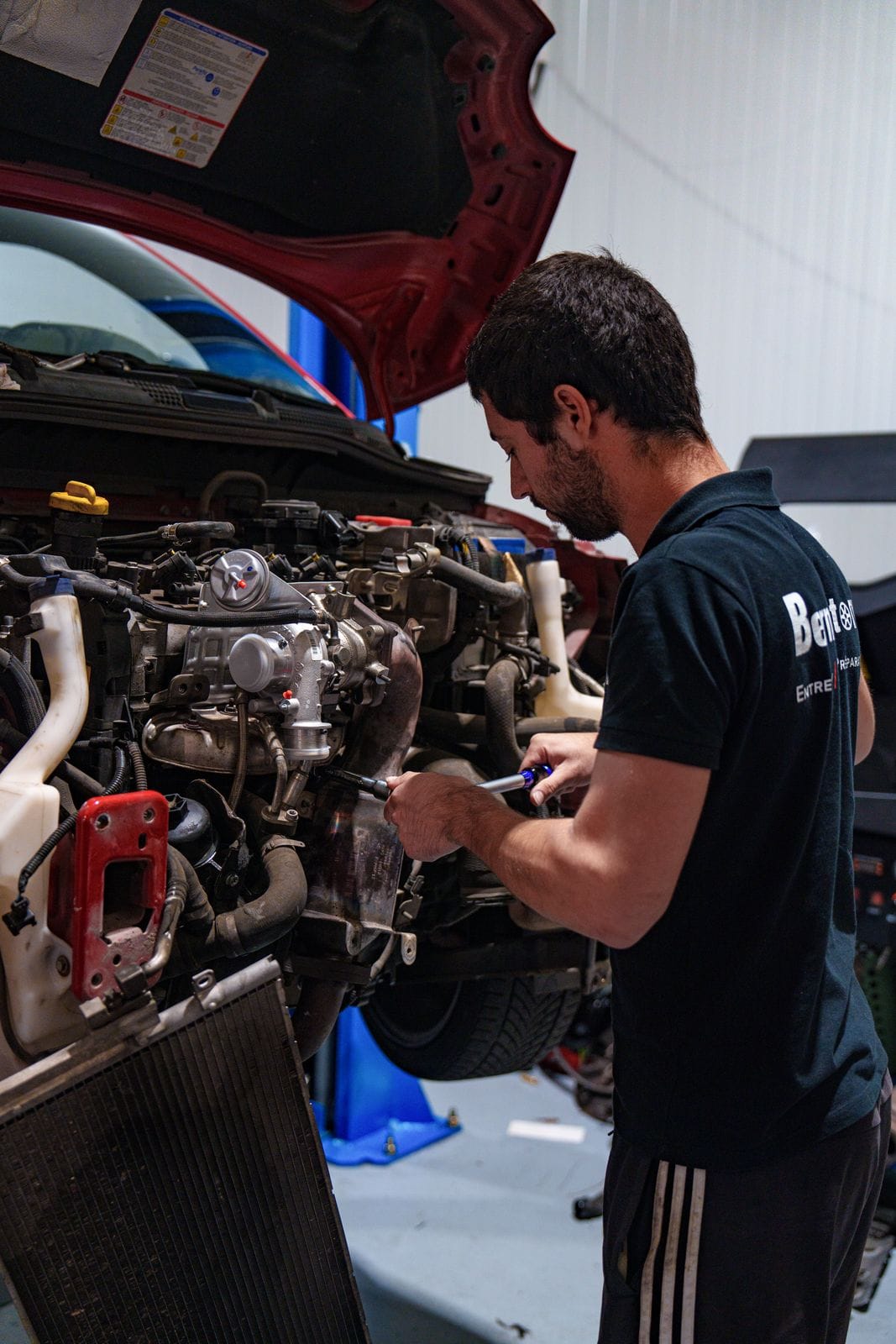
Viscosity is resistance to flow. The number before the W is cold behaviour (lower = more fluid on start-up); the second number is hot viscosity at 100 °C (higher = thicker film under load).
A 0W-40 starts instantly cold yet holds a strong film hot; a 5W-30 suits efficiency-focused modern engines; a 10W-60 targets heavily stressed engines and intensive track use.
Can you fit a thicker oil? Only with a validated technical reason. Too thick cold slows start-up lubrication; too thin hot fails under load. The right call depends on engine, climate and real use.
| Grade | Cold | Hot | Typical use |
|---|---|---|---|
| 0W-40 | Instant start | Strong film | Modern sports cars |
| 10W-60 | Thicker cold | Very thick film | M engines, hard track |
ACEA (Europe) and API (US) standards set minimum performance levels; two oils of the same grade can differ hugely in formulation.
Above generic standards, manufacturer approvals are stricter, engine-tested specs. Meeting the exact approval in your service book is a condition for proper lubrication — and often for warranty.
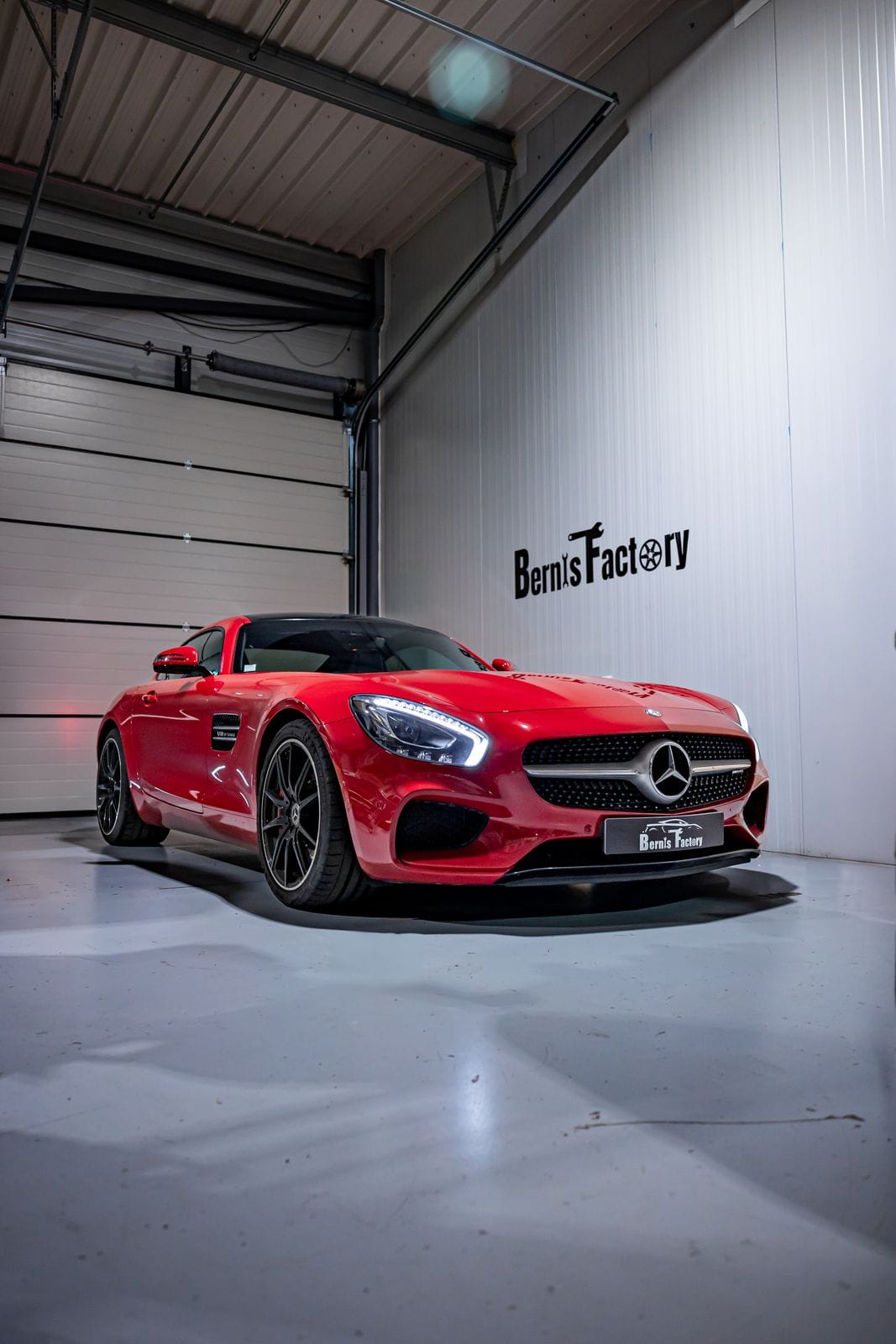
Approval for high-performance Porsche petrol engines, usually 0W-40.
LL-01, LL-04…; some M engines require a specific 10W-60.
229.5, 229.51… for Mercedes and AMG.
Grades and oils validated by the brand.
European classification (A/B, C Low SAPS).
US sequences (SP, SN) for overall protection.
Is the recommended oil mandatory? Not legally, but deviating is risky: added wear, weakened warranty, degraded behaviour. We always start from the original approval.
Semi-synthetic is affordable but limited when the engine gets hot and revs high. Fully synthetic offers thermal stability, oxidation resistance and a tougher film. For a sports car, synthetic is the standard.
Low cost, fine for gentle use only. Not enough for high temperature, sustained high revs or track.
Thermal stability, film strength, clean cold starts. The logical choice for any modern sports car.
The real question is which synthetic: the one with your manufacturer's approval and the right grade for your use.
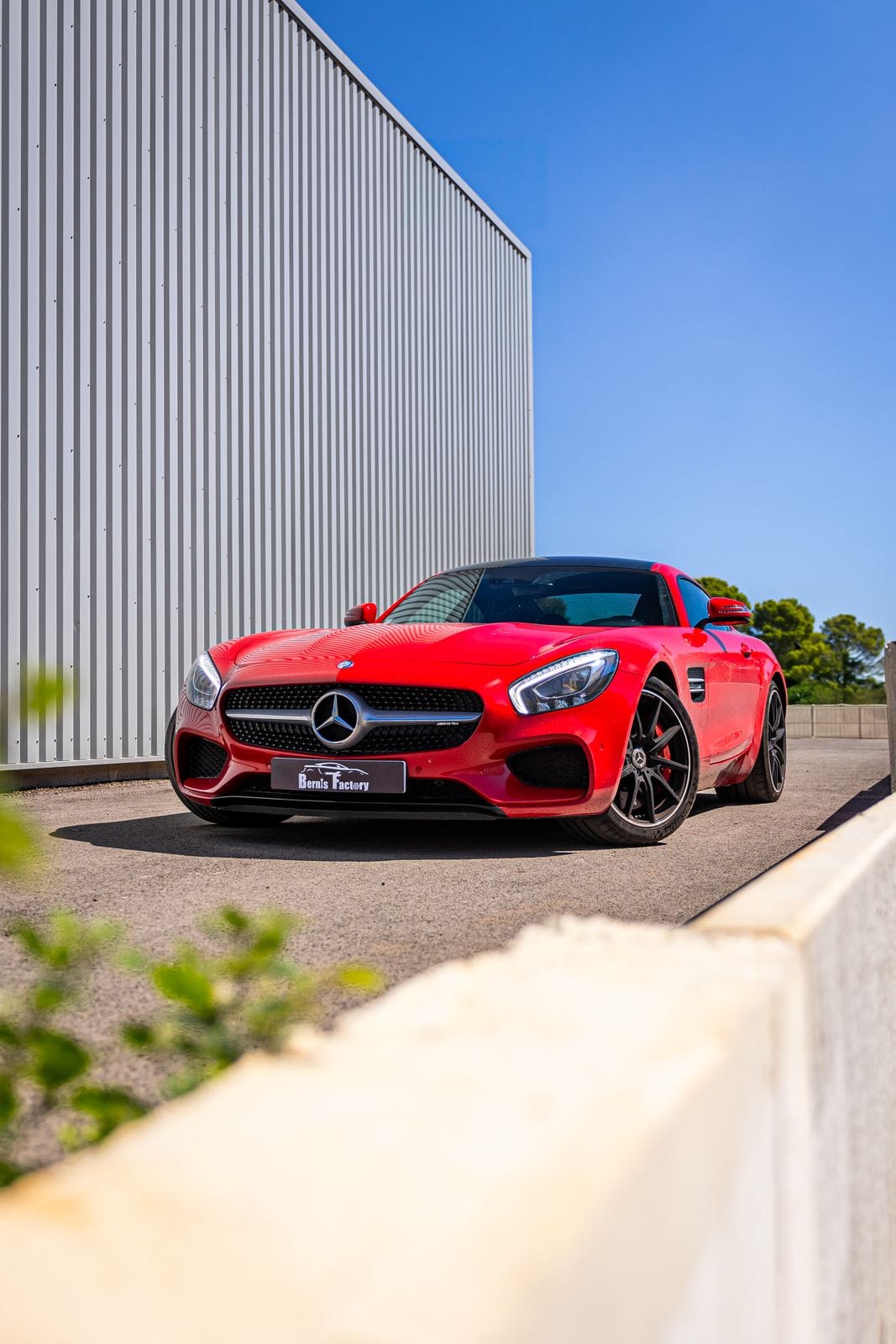
On the road, oil stabilises around its working temperature. On track — metres from Paul Ricard at Le Castellet — full-load laps push oil temperature high and shear the film continuously.
For track, look beyond grade: high-temperature hold, shear resistance and a high flash point. Some 'trackday' oils are made for this. Change the oil before a trackday if it is near its interval or in doubt.
Which oil for the track? It depends on engine, oil cooling and session intensity — a case-by-case call.
Long intervals assume 'normal' use. A hard-driven or track car degrades oil faster: shortening the interval is an investment.
Oil analysis catches abnormal wear early on valuable engines — recommended on prepared or heavily used units.
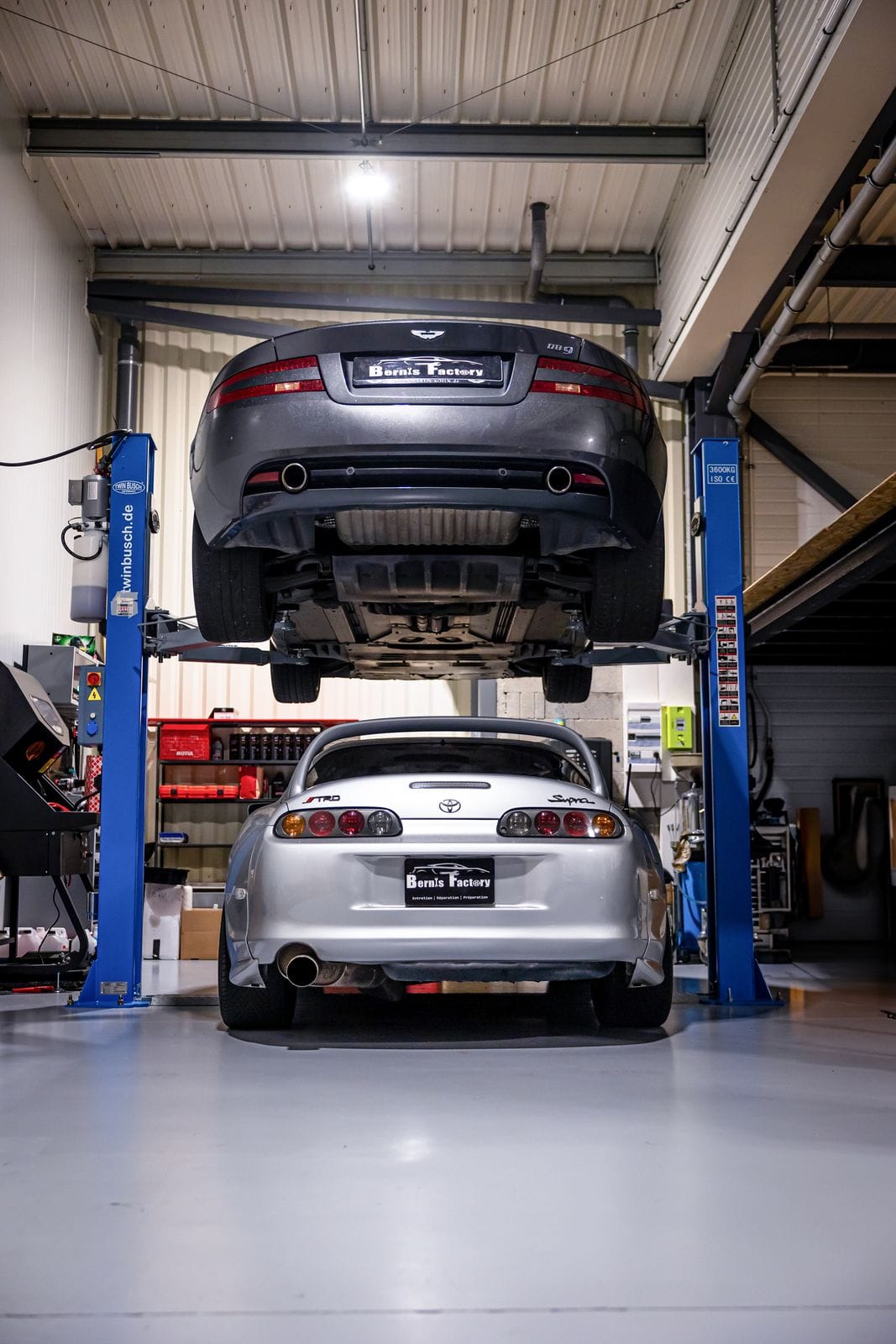
A quality oil already has a balanced additive package. Aftermarket 'miracle' additives are usually pointless, sometimes harmful. The right oil needs nothing else.
The exception is running-in after an engine rebuild: fresh rings and bearings need a specific protocol and an early first oil change. See our engine rebuild approach and talk to us before first start-up. engine rebuild.
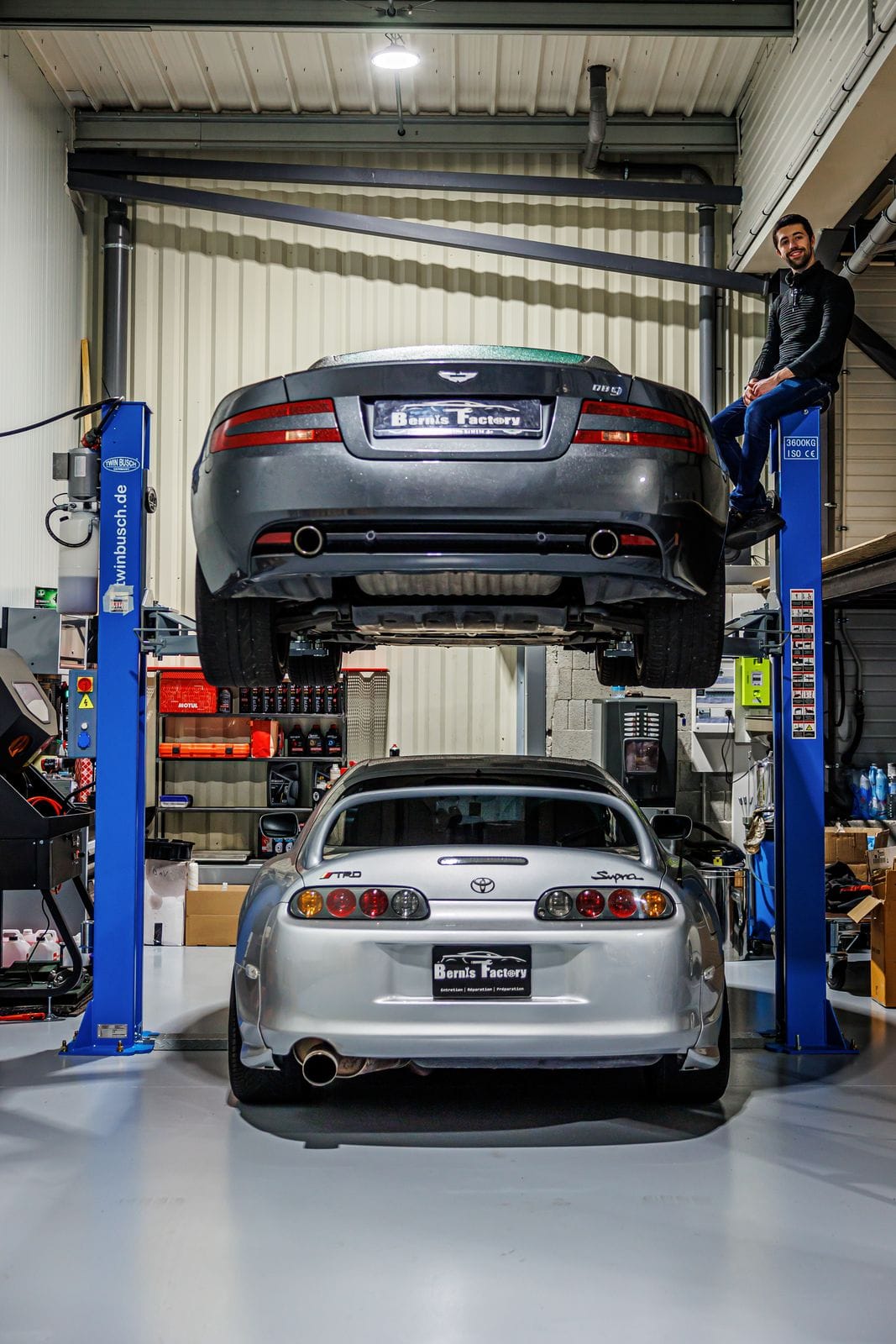
Ferrari, Mercedes-AMG, Nissan GT-R, Porsche: each engine family has its own needs. We align three things: manufacturer approval, grade, and your real use.
We start from your service book and model, listen to how and where you drive, then recommend the oil and interval that best protect your engine. Ask us — advice is free.
FAQ
The number before the W is cold behaviour (lower = more fluid on start-up); the second is hot viscosity at 100 °C (higher = thicker film under load). A 0W-40 balances cold start and hot hold; a 10W-60 targets heavily stressed engines.
A fully synthetic oil that holds high temperatures, resists shear and has a high flash point, in a grade compatible with your engine. Some 'trackday' oils are made for this. The choice depends on the model, oil cooling and session intensity — best validated with a workshop.
Far more often than in normal use. Heat degrades oil quickly, so intervals are shortened markedly for track use and the oil is checked before a trackday. Oil analysis helps fine-tune frequency on valuable engines.
Not legally, but deviating is risky: more wear, weakened warranty, degraded behaviour. The manufacturer approval (Porsche A40, BMW Longlife, MB-Approval, Ferrari spec) matches lubrication designed for your engine. We always start from it.
Fully synthetic is essential with a turbo, sustained high revs or track use: thermal stability, film strength, clean cold starts. Semi-synthetic is for lightly used older engines. The real question is choosing the right approved synthetic.
Going further
Prefer to leave the oil choice and the job to a workshop? Discover our vidange voiture sportive service, 700 m from the Paul Ricard circuit, in Signes.
Related pages
Tell us about your car and how you use it. We'll figure out the right service together, maintenance, engine tuning, chassis, restoration.
Monday, Friday · 9:30-18:00
By appointment only