Classic car restoration
Restoring a classic car is no improvisation: there is an order to follow. Diagnosis, a full strip-down, bodywork and chassis, a mechanical rebuild, then reassembly and setup. This guide walks through every stage, drawn from the daily work of a workshop based in the Var.
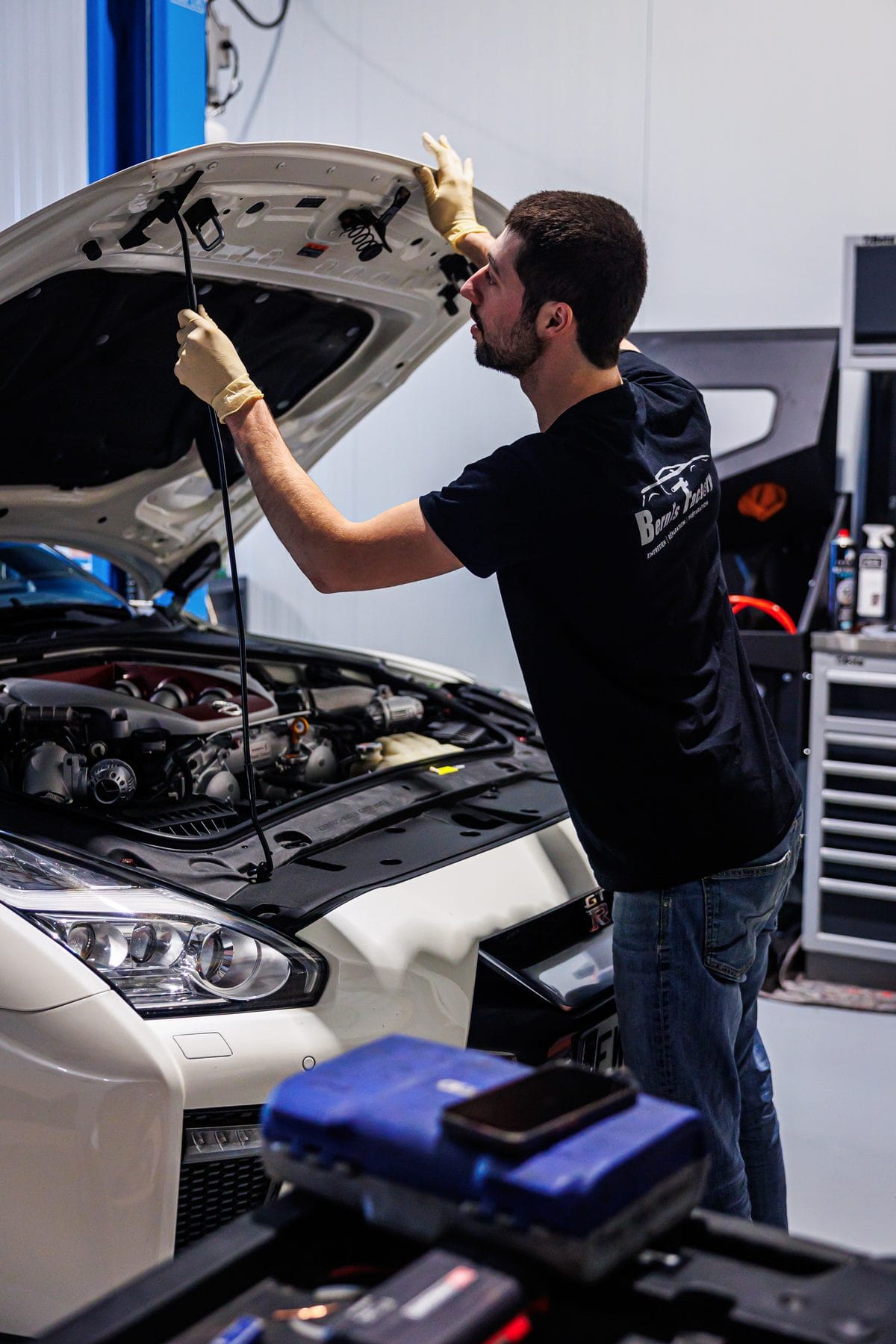
Three ways to restore
Depending on the starting condition and intended use, the project ranges from simple recommissioning to a full bare-chassis restoration. Setting that ambition on day one is the best way to avoid budget and schedule overruns.
Conservation
Preserve as many original parts as possible, patina included. Stabilise and make reliable without erasing the car's history.
Recommissioning
Aim for a sound, reliable car that is pleasant to use every day. Real-world usability comes before absolute conformity.
Concours
Seek total conformity to the factory specification, from torque values to paint shade. The most demanding path.
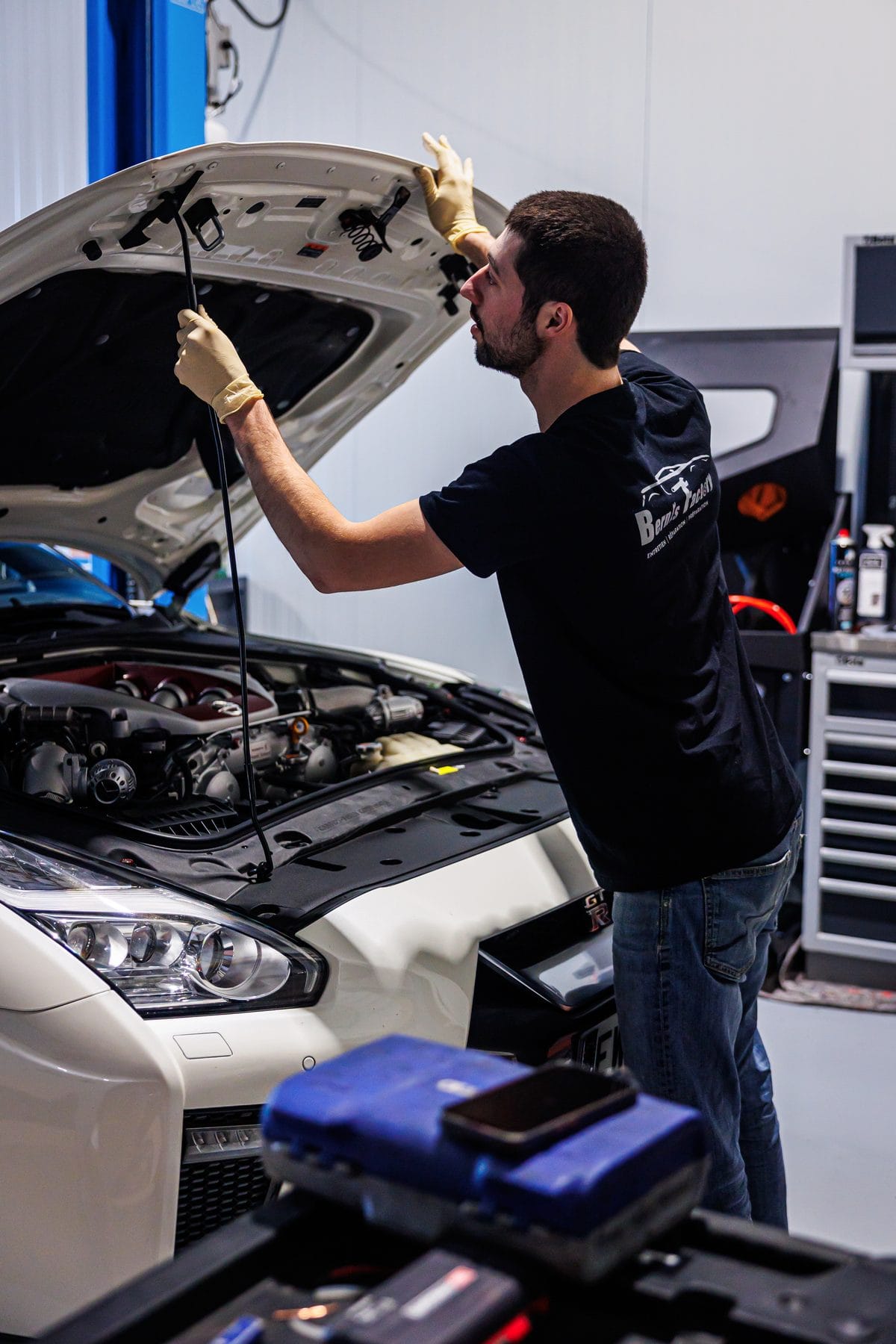
The diagnosis that shapes everything
Before anything is removed, a thorough survey is drawn up: the structure combed for corrosion, chassis geometry checked, engine compression measured, missing or non-original parts listed. That starting snapshot drives a realistic quote and a timeline that holds.
Electronic diagnostics matter even on older cars: youngtimers from the 1990s and 2000s already carry ECUs, sensors and looms whose faults are invisible to the naked eye. Reading fault codes before going further avoids nasty surprises once reassembly is under way.
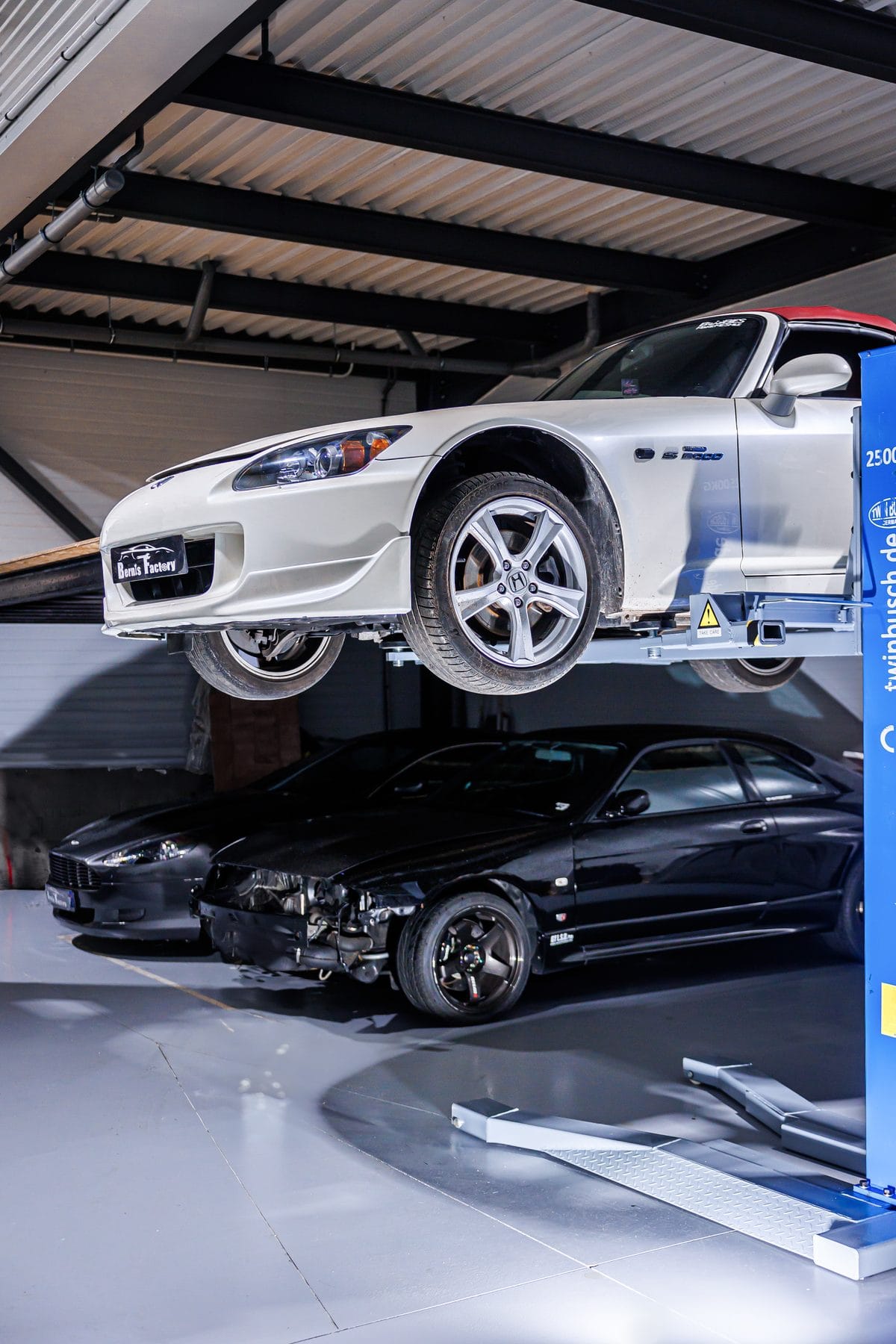
Bodywork, chassis, corrosion
Corrosion is the number one enemy of classic cars. Sills, floors, subframe mounts and anchorage points trap moisture and eventually lose all strength. An honest restoration treats sound metal rather than hiding rust under filler.
- Affected metal is cut out and fresh panels are let in
- Box sections are protected and chassis dimensions checked
- Cosmetic bodywork and paint entrusted to specialist partners
Mechanical overhaul
The engine is the starting point of any serious restoration: it is removed, opened, fully measured, then rebuilt to correct tolerances. Piston rings, bearings, gaskets, timing and cooling — nothing is left aside. The gearbox and drivetrain follow the same logic.
Suspension, steering and braking deserve as much attention as the engine. On a car meant to be driven for real, refreshing the suspension, bushes and brake circuit is not optional — it is the moment to make the whole car dependable without distorting its original architecture.
Youngtimers & sports cars
Youngtimers and high-end sports cars call for a particular approach. A car built to perform must regain its dynamic qualities, not just its looks: engine mapping, turbo sealing, clutch condition, the operation of electronic aids.
It is at the border between restoration and performance that a workshop used to demanding engines proves its worth. Working with an engine specialist means a bespoke map rather than a generic file — decisive when a powertrain upgrade goes hand in hand with the restoration, without sacrificing reliability.
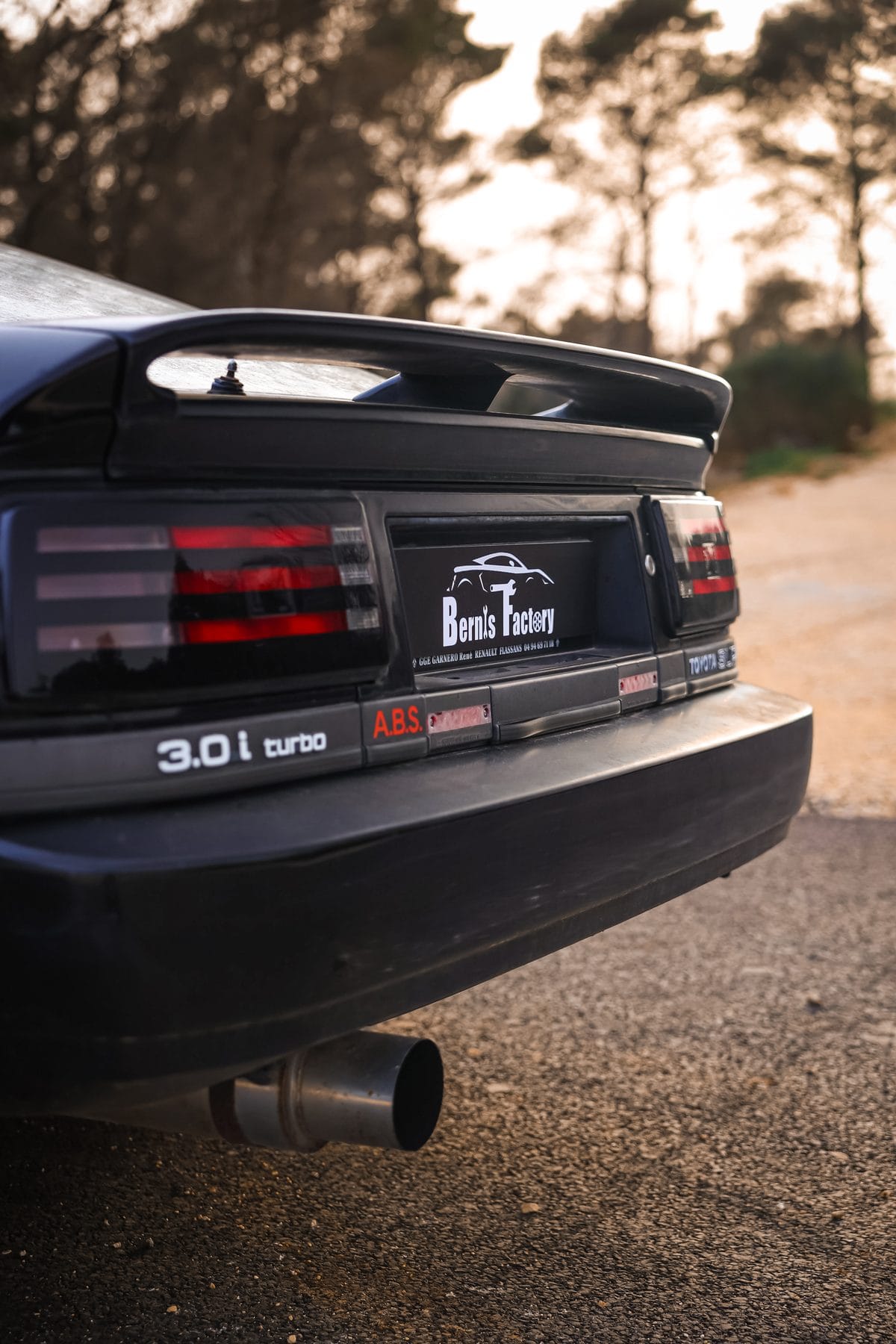
Restoring in the Var, near the Paul Ricard circuit
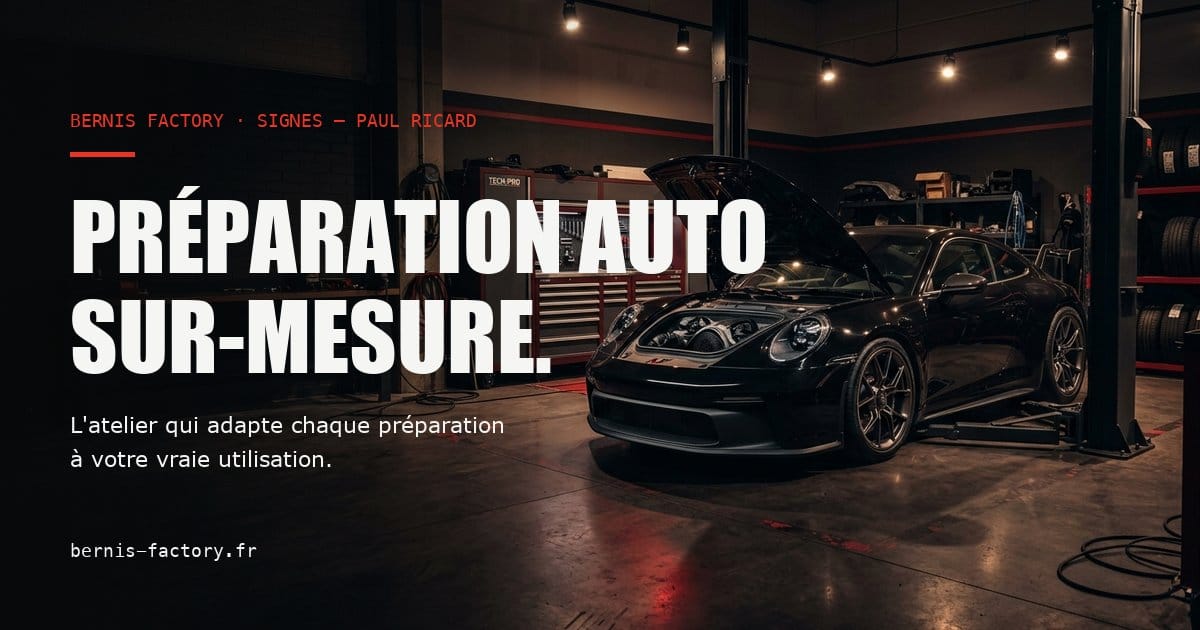
Entrusting your classic car to a workshop set in a motorsport environment means benefiting from a mechanical culture forged on high standards. Based in Signes, in the Var, a few hundred metres from the Paul Ricard circuit at Le Castellet, the workshop operates where reliability is never negotiable.
The same care given to a track-prepared car benefits a classic being recommissioned: methodical diagnosis, parts that are checked rather than assumed good, and setup carried out with measurement instruments rather than guesswork.
What we're asked most
How long does a classic car restoration take?
It all depends on the starting condition and the scope of work. A simple recommissioning is counted in weeks, whereas a full bare-chassis restoration can stretch over several months. The initial diagnosis is precisely what lets a realistic timeline be set before the work begins.
Should everything be kept original or can the car be made more reliable?
Both approaches are legitimate. A concours restoration aims for absolute conformity, while recommissioning prioritises everyday reliability. The key is to define the goal from the start, since it guides the choice of parts and techniques.
Does restoration also apply to youngtimers and sports cars?
Yes. Youngtimers from the 1990s and 2000s and high-end sports cars need a restoration that combines precision mechanics, electronics and sometimes engine mapping. It is a field where experience with performance engines makes the difference.
How is corrosion treated on a classic car?
Rust is never hidden: affected metal is cut out, fresh panels are let in and box sections are protected. Checking chassis dimensions then guarantees safety and correct handling.
Do you carry out paint and upholstery in house?
The workshop focuses on mechanical and technical restoration. Cosmetic bodywork, paint, upholstery and detailing are entrusted to specialist partners, for a finish worthy of the mechanical work.
Where is the workshop located to drop off a car?
The workshop is based in Signes, in the Var, a few hundred metres from the Paul Ricard circuit at Le Castellet. This proximity to a demanding motorsport environment nurtures a culture of reliability and precision useful in restoration.
A project,
a call.
Tell us about your car and how you use it. We'll figure out the right service together, maintenance, engine tuning, chassis, restoration.
83870 Signes
Across from the Paul Ricard circuit
Monday, Friday · 9:30-18:00
By appointment only